TVCBs for Hostile Vehicle Mitigation (HVM) in Data Centres
Prevent, Deflect and Contain Vehicle-Based Threats
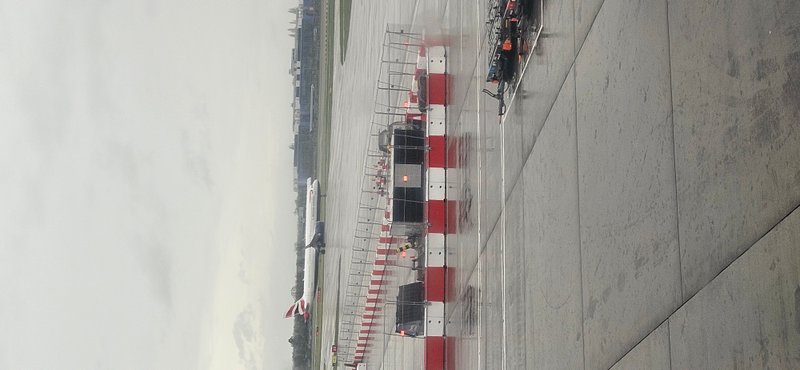
Temporary Vertical Concrete Barriers (TVCBs) provide a robust and compliant solution for hostile vehicle mitigation (HVM) across data centres and critical infrastructure sites. Designed to prevent, deflect, and contain vehicle-based threats, TVCBs play a key role in protecting high-value, high-risk environments.
What Are Temporary Vertical Concrete Barriers (TVCBs)?
Protecting Critical Infrastructure from Vehicle-Based Threats
Data centres and infrastructure facilities face increasing risks from unauthorised vehicle access and deliberate attacks. TVCBs help mitigate these threats by:
Acting as physical barriers against vehicle intrusion
Creating protective stand-off distances
Reducing the likelihood and impact of collisions
This ensures continuous protection of assets, personnel and operations.
Engineered for Hostile Vehicle Mitigation
TVCBs are designed to support modern HVM strategies, offering:
Effective vehicle deflection and containment
Prevention of direct access to sensitive zones
Compatibility with layered security systems (fencing, bollards, surveillance)
They provide a passive yet highly effective defence solution.

Why Choose Elite Precast
With decades of precast expertise, in-house engineering support and a proven delivery record on projects of every scale, Elite Precast is the partner specifiers trust. We pair robust, repeatable manufacturing with the flexibility to engineer bespoke solutions when a standard product will not do.
Key Applications
Ideal for Data Centres and Infrastructure Applications
TVCBs are widely used across:
Data centre perimeters and compounds
Electrical substations and power facilities
Utilities and transport infrastructure
Temporary or high-risk security zones
They provide essential protection where security cannot be compromised.
Supporting Layered Security Strategies
TVCBs are most effective when integrated into a layered security approach, helping to:
Reinforce perimeter defences
Protect critical assets such as substations and server compounds
Enhance overall site resilience
Benefits
Rapid Deployment for Immediate Security
TVCBs are ideal for fast-track and high-risk deployments, offering:
Next-day delivery across the UK
Quick installation with modular units
No requirement for foundations or permanent fixings
This enables operators to secure sites quickly during construction, upgrades or elevated threat levels.
Flexible and Scalable Security Solutions
The modular design of TVCBs allows for adaptable security layouts, including:
Perimeter protection lines
Controlled access routes
Segregation of high-risk zones
Barriers can be reconfigured, expanded or relocated as site requirements change.
Cost-Effective and Low Maintenance
TVCBs offer a practical alternative to permanent security systems, delivering:
Reduced installation costs (no groundwork required)
Reusability across multiple sites
Minimal maintenance over time
Engineered for Your Environment
High-Strength Construction for Demanding Environments
Manufactured from 50N/mm² high-strength precast concrete and reinforced with steel, TVCBs provide:
Exceptional resistance to impact and environmental conditions
Long-term durability in operational settings
Reliable performance under continuous use
EN 1317 Compliant Safety Performance
When installed by a National Highways approved contractor, TVCBs meet EN 1317 standards, ensuring:
Tested and proven impact performance
Compliance with UK and European regulations
Confidence in high-risk environments

Why Choose Temporary Vertical Concrete Barriers (TVCBs) for This Application?
Why Use TVCBs for HVM in Data Centres?
EN 1317 compliant barrier system
Rapid deployment and immediate protection
Effective vehicle mitigation and containment
Flexible, modular configurations
Durable and low-maintenance solution
Temporary Vertical Concrete Barriers provide a high-performance solution for hostile vehicle mitigation in data centres and critical infrastructure. Their combination of strength, compliance, and flexibility ensures sites remain protected against vehicle-based threats while maintaining operational efficiency.