
Thinking of changing your agricultural land to solar, read on…
Changing your agricultural land to solar? Here are some key points to consider if you’re contemplating changing your land use for solar energy
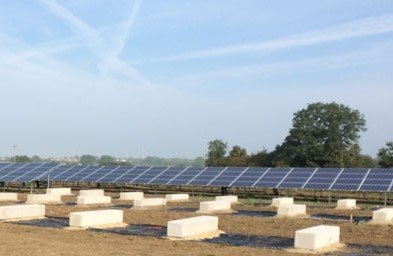
Ed Miliband’s recent approval of three large solar farm developments has sparked debate about the use of agricultural land for renewable energy projects. Here are some key points to consider if you’re contemplating changing your land use for solar energy:
Potential Benefits
Financial Incentives
Solar farms can provide a steady, long-term income stream for landowners.
Some farmers are being offered up to £1000 per acre annually for solar leases.
Environmental Impact
Solar energy contributes to reducing carbon emissions and combating climate change.
Ed Miliband and the Labour Government aims to quadruple UK solar power to make the country a “clean energy superpower”.
Considerations and Concerns
Food Security
There are concerns about the loss of productive farmland for food production.
The UK currently produces only 60% of its food domestically.
Land Use
As of 2022, ground-mounted solar used just 0.1% of UK land.
The National Farmers’ Union (NFU) supports solar development when balanced with food security concerns.
Reversibility
Some solutions, like those using solar ballast blocks, allow for easier return to agricultural use if needed.
Balancing Factors
There is a preference for solar farms to be located on lower quality agricultural land.
Local planning authorities consider various factors when approving solar projects.
Diversification
Solar farms can offer farmers a way to diversify income and keep farms profitable.
Biodiversity
Some argue that solar farms can actually benefit biodiversity when properly managed.
Before making a decision, carefully consider your long-term goals, the quality of your land and the potential impacts on both your farm and the wider community.
Consult with local planning authorities and agricultural advisors to fully understand the implications of converting land to solar use.